- Duralawn
- Artificial Grass Landscaping
- Artificial Grass Moving
Artificial Grass When Moving or Selling Your Home
Presented by

Artificial grass is usually installed with the expectation that it will last 15 to 20 years. The reality is that many homeowners move long before the turf ever wears out. I’ve seen plenty of situations where someone invests in a beautiful artificial lawn, enjoys it for a few years, and then suddenly they’re preparing to sell the house or relocate.
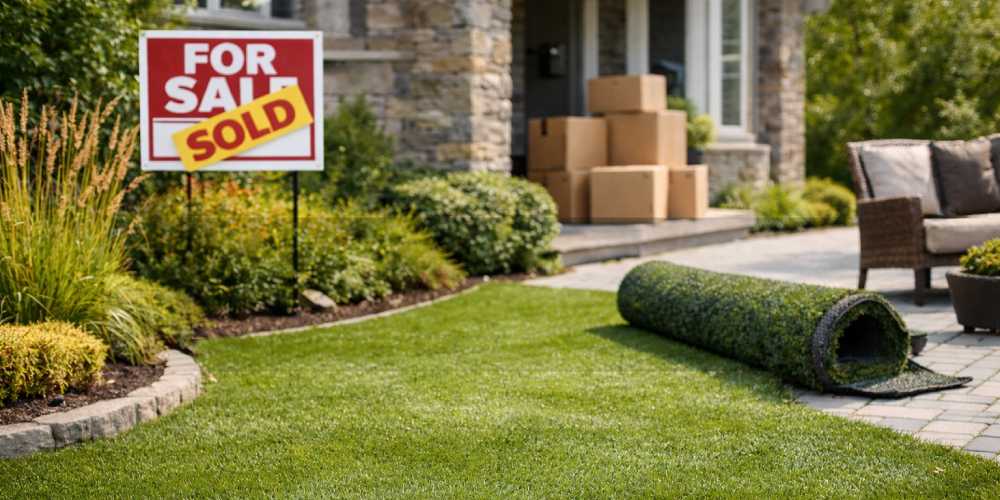
Should the turf stay with the property?
Does it actually help the home sell?
What should buyers look for if they’re purchasing a house that already has artificial grass installed?
If you’re in either position, buying a home with artificial turf or selling one that already has it, there are a few important things to understand before making assumptions. Artificial grass can absolutely be a selling feature, but only if it’s installed well and maintained properly.
Is Artificial Grass Considered Part of the Property When You Sell?
In most real estate transactions across North America, artificial grass is treated the same way as other permanent landscaping features. Once it’s installed, it’s generally considered part of the property rather than something the homeowner takes with them. Think of it like a patio, retaining wall, or irrigation system. Buyers expect it to remain with the house and is seen as a fixed asset.
Technically, you could remove it before listing your home, but in practice that almost never happens. Removing the turf means tearing up the base layers underneath, which can leave the yard looking rough and unfinished. That’s usually the last thing you want when showing a home. In most cases, leaving the artificial grass in place is the simplest and most sensible option.
Should You Leave Artificial Grass When Selling Your Home?
Most of the time, yes. Artificial grass tends to help with curb appeal because it looks tidy year-round. There are no brown patches, weeds, or uneven growth like you see with natural lawns. When buyers pull up to a property and see a clean, well-kept yard, it creates a good first impression. That said, it isn’t automatically a selling advantage in every situation.
If the turf is older, heavily worn, or poorly installed, it can actually have the opposite effect. I’ve seen yards where seams were visible or the edges were lifting, and buyers immediately started wondering what else around the property might have been done poorly. The condition matters.
If the artificial grass still looks fresh and sits flat with clean edges, it’s usually a positive feature. If it’s worn out or poorly maintained, it may raise questions during showings.
What Buyers Should Know When Purchasing a Home With Artificial Grass
Buying a home with artificial grass already installed can be a nice bonus, but it’s worth looking a little closer before assuming it’s maintenance-free. One of the biggest things people misunderstand about artificial turf is that it still requires some upkeep. Leaves and debris still collect on it. Dust builds up over time. Pet owners may need occasional rinsing to prevent odours. None of this is difficult, but it’s something buyers should be aware of.
One option is to hire a professional artificial grass maintenance company that will deodorize, remove organics, bloom the fibers, and check for disrepair. The other option is you can carry out your own maintenance with the help of some basic artificial grass maintenance equipment but either way you will need to spend money on professional care or the equipment to do it yourself. You may want to ask if the sellers would leave the maintenance equipment as part of the sale, since it likely specifically used for synthetic turf.
The long-term performance of artificial grass depends heavily on the base underneath it. The turf itself might look great on the surface, but if the base preparation wasn’t done properly, you may start noticing dips or uneven areas after a few years. A well-installed artificial lawn should feel solid when you walk on it. If it feels soft or spongy in certain spots, that may indicate the base wasn’t compacted properly. It’s not necessarily a dealbreaker, but it’s worth noting before buying.
Inspecting Artificial Grass Before Buying a Home
If you’re buying a property with artificial turf, a quick visual inspection can reveal quite a lot.
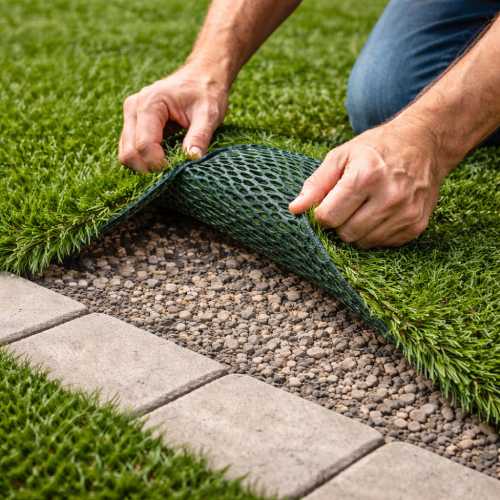
The first thing I usually look at is the edges. Turf is typically secured along the perimeter using spikes or nails. If those edges start lifting or separating from the ground, it can mean the installation is aging or the base underneath has shifted.
Seams are another area to check. Artificial grass is usually installed in sections, and those sections are glued together underneath. If seams start separating, they become noticeable lines across the lawn.
Drainage is also worth paying attention to. Artificial turf drains through the backing material into the base layer below. After heavy rain, the surface shouldn’t have standing water. If puddles form, that’s often a sign the base wasn’t graded properly.
Odour is another subtle clue. If the previous owners had pets, the turf may have absorbed some smell over time. This is usually manageable with proper cleaning, but it’s something buyers sometimes notice during viewings.
A more detailed checklist can help catch these issues before finalizing a purchase.
Artificial Grass and Curb Appeal When Selling
From a selling perspective, artificial grass tends to photograph extremely well. Real estate listings rely heavily on photos, and a clean green yard can make a property stand out online. But there’s a small step many homeowners skip before listing their home.
Artificial grass fibers naturally flatten over time from foot traffic. If you brush the surface with a stiff broom or power brush the fibers stand upright again and the lawn instantly looks newer. I’ve seen lawns that looked five years younger after a quick brushing and rinse.
Clearing leaves, rinsing dust, and tidying up edges can make a noticeable difference before listing photos are taken. If you have dogs that use the grass as a potty, be sure to eliminate odours that can creep up especially in the hot summer months.
Can Artificial Grass Be Removed When Moving?
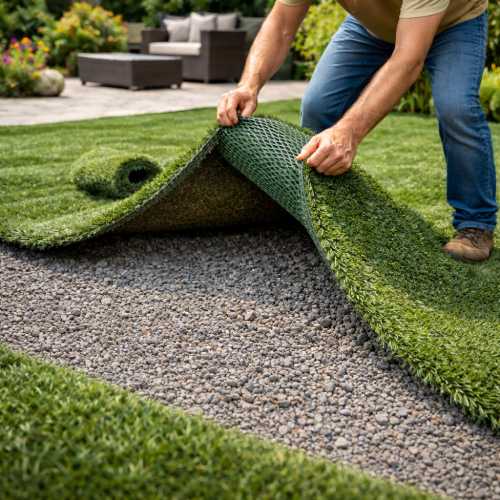
Technically, yes but in practice, it’s rarely worth the effort. Artificial turf is installed on top of a carefully prepared base made from crushed rock or similar material. When turf is removed, that base often shifts or breaks apart. Even if you successfully remove the turf in large sections, reinstalling it somewhere else can be tricky. The new yard will almost certainly have different dimensions, slopes, and shapes.
That means the turf will need trimming and new seams, which can weaken the overall installation. Most homeowners who consider relocating their turf end up deciding it’s easier to leave it behind and start fresh if they want artificial grass at their next property.
If you think of artificial grass as outdoor carpet, you can understand a bit better that it's not overly practical or easy to just lift it up. If it's installed properly with infill, the weight alone would make it impossible unless you vacuumed all the sand out. A lot of effort, time would be required.
Common Mistakes Homeowners Make With Artificial Grass When Moving
One mistake I see fairly often is homeowners ignoring the turf completely while preparing to sell. People focus on interior upgrades or staging the house, but the yard gets overlooked. If the turf is covered in leaves or the edges are messy, buyers notice.
Another mistake is assuming artificial grass requires zero maintenance. It doesn’t need mowing or watering, but basic cleaning still matters. Pet areas especially should be rinsed regularly, and deodorized if necessary before showings. Finally, some sellers worry that buyers might dislike artificial turf and consider removing it. In most cases that’s unnecessary. Many buyers appreciate a low-maintenance yard, especially in regions with hot summers or water restrictions.
Maintenance Before Listing Your Home
If you’re preparing to sell and already have artificial grass installed, a small amount of maintenance can go a long way. Start by clearing debris and rinsing the surface. This removes dust and pollen that dull the color. Next, brush the turf fibers upright. This makes the lawn look fuller and oftentimes as good as it did when it was new. Check the perimeter edges for loose sections and secure them if necessary.
These small steps take very little time but can noticeably improve how the yard presents during showings and listing photos.
When Artificial Grass May Not Be Worth Installing Before Selling
Some homeowners consider installing artificial grass just before listing their home.
In certain cases that can make sense, particularly if the yard currently looks rough or patchy. But it’s not always the best investment.
Artificial turf installation involves base preparation, drainage considerations, and material costs. If the rest of the yard or landscaping still needs work, the return may not justify the expense. And the expense could be extensive if your yard needs a lot of work.
Sometimes simple improvements like levelling the lawn, reseeding grass, or cleaning up garden beds can achieve a similar improvement in curb appeal at a much lower cost.
The goal when selling isn’t necessarily to create the perfect yard. It’s to present a clean, well-maintained property that buyers feel comfortable moving into.
Artificial Grass vs Natural Grass When Selling a Home
Homeowners sometimes wonder whether artificial grass actually helps when selling a property versus natural grass, or if buyers prefer natural lawns. In many cases, artificial grass works well for homes where maintaining natural grass would be difficult. Sloped yards, shaded areas, or properties with limited irrigation can benefit from turf because it stays consistent year-round.
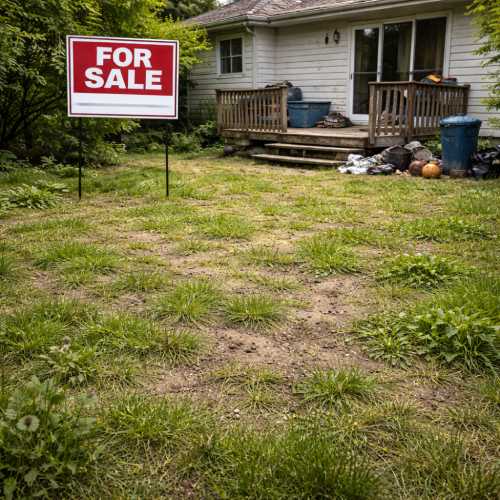
Natural grass still appeals to buyers who enjoy gardening or want a traditional lawn. However, patchy or poorly maintained grass often creates a worse first impression than artificial turf that looks clean and well installed. The key factor isn’t necessarily the type of lawn, it’s how well the yard is maintained. Buyers notice neglected landscaping quickly.
Artificial Grass and Moving in the Okanagan
In areas like Kelowna and throughout the Okanagan Valley, artificial grass has become increasingly common. Summers here are hot and dry, and many homeowners want a yard that stays green without heavy watering or constant maintenance.
Because of this, it’s not unusual for buyers in the region to encounter artificial turf when shopping for homes. Most buyers view it as a practical landscaping choice, especially on smaller yards, townhomes, or properties with challenging irrigation conditions.
If you're moving within Kelowna or elsewhere in the Okanagan, it’s usually best to leave installed turf with the property. It’s considered part of the landscaping, and buyers typically expect it to remain with the home.
Final Thoughts About Moving With Artificial Grass
Artificial grass can be a great landscaping feature for both buyers and sellers, but it works best when people understand what they’re getting.
For sellers, a well-maintained artificial lawn can improve curb appeal and simplify yard maintenance while the home is on the market. For buyers, it’s worth checking installation quality and drainage before assuming everything underneath is perfect.
Like most things in a home, the details matter. A properly installed and maintained artificial lawn can last for many years, but small issues with the base or seams can show up later if they weren’t done right. Taking a closer look now can save headaches later.
Moving With Artificial Grass FAQs
Can artificial grass be removed and reused when moving?
Can artificial grass be removed and reused when moving?
Yes, artificial grass can technically be removed, but it’s rarely worth the effort. Turf is usually installed on a compacted base layer and secured with spikes along with adhesive seams that hold large sections together. Removing it can damage the grass especially along the seams and edges, making it harder to reinstall cleanly in a new yard. In most cases, homeowners leave the artificial grass with the property and install new turf at their next home if they still want it.
Does artificial grass increase home value?
Does artificial grass increase home value?
Artificial grass doesn’t usually increase a home’s value in the same way a kitchen renovation might, but it can improve curb appeal and make the yard easier to maintain. Buyers often appreciate a clean, low-maintenance lawn, especially in areas with hot summers or watering restrictions.
Do home buyers like artificial grass?
Do home buyers like artificial grass?
Many buyers do, particularly those who want a low-maintenance yard. Artificial grass stays green year-round and eliminates mowing, which appeals to busy homeowners, people who travel often or rental units. However, some buyers still prefer natural grass, especially if they enjoy gardening or have children who play outside frequently.
How long does artificial grass typically last?
How long does artificial grass typically last?
Most modern artificial grass products last between 15 and 20 years when installed correctly. Lifespan depends on factors like sun exposure, local weather, foot traffic, and maintenance. Areas with heavy use, such as pet runs or pathways, may show wear sooner, while decorative areas can last much longer.
What maintenance should be done before selling a home with artificial grass?
What maintenance should be done before selling a home with artificial grass?
Before listing a home, it’s worth giving artificial grass a refresh or bloom. Remove leaves and debris, rinse off dust, and brush the turf fibers upright with a stiff broom. This simple grooming step makes the lawn look fuller and newer in listing photos and during showings.
Disclaimer
Please use all appropriate and proper safety precautions when attempting projects on this website. All projects are attempted at the reader's own risk.
Duralawn® participates in the Amazon Services LLC Associates Program, as an Amazon Associate we may earn a commission from qualifying purchases.
Duralawn® artificial grass installations, products and service in Kelowna, Vernon, Penticton, etc since 2018.
 Copyright © 2026 Duralawn |
info@duralawn.ca
Copyright © 2026 Duralawn